How to Identify and Treat the Most Common Lawn Weeds
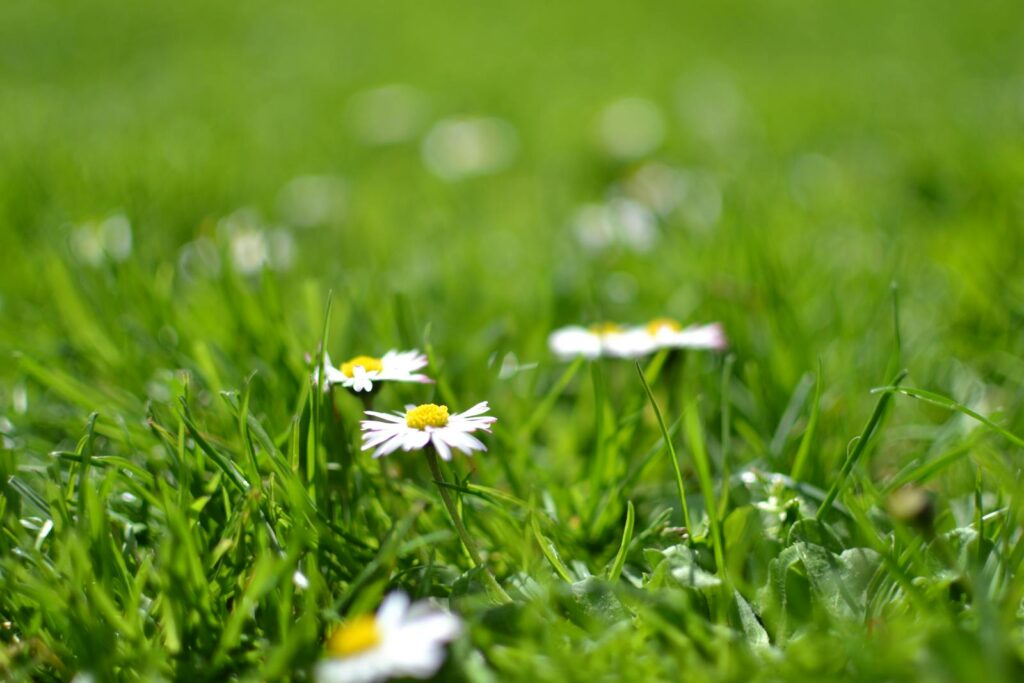
A beautiful lawn is something many homeowners work hard to maintain. It takes regular mowing, watering, and the right care throughout each season. But no matter how much attention you give it, weeds have a way of popping up and ruining the look and health of your grass. They compete for water, sunlight, and nutrients — and left unchecked, they can take over.
Understanding how to spot the most common weeds and treat them effectively is key to keeping your lawn looking its best. Every weed behaves a little differently, and your approach to getting rid of them should depend on what kind you’re dealing with. Some are persistent perennials with deep root systems, while others are fast-spreading annuals that drop seeds and return even stronger the following year.
Let’s start with the basics: what exactly is a weed? A weed is any plant growing where it isn’t wanted. In the context of your lawn, weeds are plants that grow among your grass and disturb its uniform appearance or compete with it for vital resources. Weeds can also weaken grass over time, allowing even more unwanted plants and pests to move in.
One of the most common types of lawn weeds is the dandelion. Recognizable by its bright yellow flower and fluffy white seed head, dandelions are perennial weeds with deep taproots. They can survive mowing and come back year after year if not properly removed. Pulling them out by hand can work, but only if you get the entire root — otherwise, they’ll grow right back. For widespread dandelion problems, selective herbicides are often the best option, especially in early spring or autumn when the plant is storing energy in its roots.
Another familiar lawn invader is clover. Clover has small, rounded leaves — usually in groups of three — and tiny white or pink flowers. While some people like the look of clover and its ability to attract pollinators, it spreads quickly and can overtake thin or undernourished lawns. Clover thrives in nitrogen-poor soil, so applying a nitrogen-rich fertilizer can help strengthen your grass and make it harder for clover to grow. Spot treatments with broadleaf herbicides can also be effective.
Crabgrass is a warm-season annual weed that starts small but can quickly become a major issue. It thrives in hot, dry conditions and bare patches of soil. Its wide, coarse blades look very different from most lawn grasses, and it spreads close to the ground, making it hard to mow out. Since crabgrass grows from seed each year, prevention is often more effective than treatment. Applying a pre-emergent herbicide in early spring, just before the soil reaches about 13°C (55°F), can stop the seeds from sprouting. Once it’s visible, a post-emergent crabgrass killer may be needed.
Chickweed is another problem in cooler, damp conditions. It has small, white, star-shaped flowers and grows in low mats across the lawn. Chickweed often appears in shaded, moist areas and can quickly spread if not addressed. Hand-pulling works if the infestation is small, but for larger patches, a weed killer designed for cool-season weeds will be more effective.
Plantain — not to be confused with the banana-like fruit — is a broadleaf perennial weed that grows in compacted soils. It has wide, flat leaves and low flower stalks. Because plantain can grow in poor conditions, it’s often a sign that your soil needs aeration and organic matter. Loosening the soil and improving drainage can help prevent its return after removal.
Once you’ve identified the type of weed in your lawn, the next step is deciding how to deal with it. In some cases, physical removal by hand or with a weeding tool is the best solution. This works well for individual weeds or small infestations. The key is to get the whole root system, especially for taprooted weeds like dandelions.
If you’re dealing with a large area or aggressive weeds, chemical treatment may be necessary. There are two main types of herbicides used for lawn weeds: pre-emergent and post-emergent. Pre-emergent herbicides stop seeds from sprouting and are used early in the season. Post-emergent herbicides target existing weeds. Make sure the product you choose is safe for your type of grass — not all herbicides work on every lawn, and some can harm your turf if applied incorrectly.
Weed control isn’t just about killing weeds; it’s about preventing them from taking hold in the first place. The best defense against weeds is a thick, healthy lawn. When grass is strong and full, it crowds out weeds by taking up space and resources. That means mowing regularly, watering deeply but not too often, fertilizing as needed, and aerating the soil to keep roots growing deep.
Mowing your lawn at the proper height also helps. Grass that is cut too short is weaker and more vulnerable to weed invasion. Taller grass shades the soil, making it harder for weed seeds to germinate. Most lawns should be mowed to a height of about 2.5 to 3.5 inches, depending on the grass type.
Soil health plays a huge role in weed growth. Many common weeds thrive in compacted, poor-quality soil. By improving your soil with compost, organic fertilizers, and occasional aeration, you give your grass a better chance to outcompete weeds naturally. For example, a compacted lawn is often an open invitation to plantain and moss, while dry, bare soil encourages crabgrass and spurge.
Proper lawn maintenance tools make a big difference, too. A sharp mower blade ensures clean cuts that don’t tear the grass. Good irrigation tools make it easier to water deeply and evenly. And having a reliable weed-removal tool on hand lets you deal with problems before they spread. Companies like Garden Machinery Direct offer a wide range of equipment to make lawncare easier and more effective throughout the year.
For those who prefer a more natural approach, organic weed control methods can work, though they may take more time and effort. Boiling water, vinegar-based sprays, and corn gluten meal are all used in organic lawncare as alternatives to synthetic chemicals. These methods are best for spot treatments and smaller areas, and they often work best when combined with strong lawn health practices.
Whichever method you choose, the key to weed control is consistency. One good treatment won’t fix a lawn that’s already been taken over. It takes regular care, observation, and a little patience. Catching weeds early — before they flower or drop seeds — is the best way to stay ahead of them.
A weed-free lawn doesn’t have to be perfect, and a few weeds here and there are normal. But by identifying your problem weeds early and choosing the right strategy, you can protect your lawn and keep it looking great through every season.