Expert warns tenants not to accept ‘quick fixes’ as new mould laws come into force
New protections for England’s four million social housing tenants are now in force, giving people stronger rights to safe, dry homes and faster repairs for dangerous damp and mould.
Under Awaab’s Law, which came into effect this week, landlords must fix serious problems within strict legal deadlines or face court action, compensation claims, and loss of rent.
With cases expected to rise in the colder months, the new rules could make a real difference for families struggling to stay healthy and warm.
Louise Ainley, a qualified solicitor and conveyancer at licensed conveyancer course provider Access Law Online, explains the new rules and rights tenants should be aware of.
Spotting the warning signs
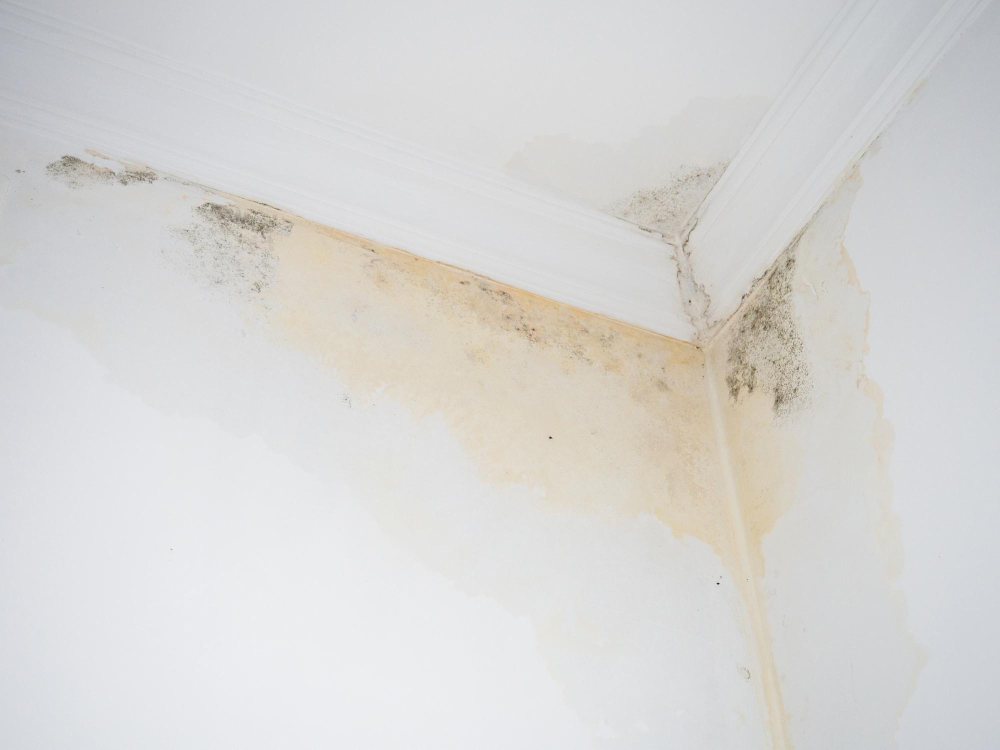
“Black mould on walls or ceilings, a musty smell, or persistent condensation are all early warning signs. Even light patches can point to a bigger problem underneath.”
What landlords must fix
“Landlords must investigate and repair any serious damp or mould that could make a home unsafe to live in. This includes leaks, broken roofs or gutters, faulty pipes, poor insulation or lack of ventilation.”
How tenants should report problems
“Always report issues in writing, by email, letter or online form and keep copies along with dated photographs. This creates the evidence needed if the problem is not fixed on time.
“If the damp or mould gets worse, or if someone in the household becomes ill, report it again immediately, as landlords are expected to prioritise higher-risk cases.
“Tenants can also ask for an in-person inspection rather than a remote assessment if they believe the issue is serious or affecting their health.”
Can the tenant be to blame?
“Landlords cannot blame lifestyle choices for condensation without investigating the property itself. Everyday activities such as cooking or drying clothes are normal, and homes must be designed to cope with them.”
How long should repairs take?
“If damp or mould is reported, landlords have ten working days to investigate and five working days after inspection to make the home safe. Emergency hazards, anything posing immediate danger to health, must be repaired within 24 hours.
“Tenants must be sent written findings within three working days of inspection, explaining what was found and what action will follow.”
Does painting over mould fix the issue?
“Painting over mould is no longer acceptable. Proper repairs must be carried out using approved standards like BS 6576 and PAS 2030 or 2035, with written proof kept for every job.”
If the landlord doesn’t act
“If a landlord can’t make the property safe within the legal timeframes, they must offer suitable alternative accommodation. If there’s still no action, tenants should escalate the issue through the Make Things Right campaign, the Housing Ombudsman, their local council, or the Social Housing Regulator.
“Tenants should keep paying rent during the process, but they can later claim rent reductions or compensation once a legal breach is confirmed.”