The simple insurance issues leaving landlords exposed

The simple insurance issues leaving landlords exposed
Winter is often the worst time for landlords and holiday-let owners. It’s when their properties are most exposed to weather-related damage. Cold snaps, heavy rain and named storms do their worst. But that threat doesn’t end with January, and we’re still within the tail end of the winter risk for insurance claims. Frozen pipes, and water leaks remain common as we progress through late winter to early spring. Yet an increasing number of claims are being rejected because policy conditions haven’t been met. So where are landlords slipping up?
Falling below minimum temperature limits is still the number one problem
The most frequent reason insurers reject cold-weather claims is simply because the property wasn’t kept warm enough. It seems like a minor issue, and many landlords don’t even realise that this is a requirement. But an unexpected cold snap can be enough to wreak a whole range of damage. Keeping the heating on can be enough to prevent this from happening, which is why most insurers stipulate a minimum temperature of between 12°C and 15°C.
For occupied rental homes, the risk is lower, but holiday lets with limited occupancy are particularly high risk.
Heating systems don’t always perform as expected
A common non-compliance culprit is older heating systems. Outdated storage heaters are still widely used in rental and holiday properties, but they have a tendency towards unreliability. So, while they may appear to work, they can struggle to maintain an adequate base temperature, particularly where there are sudden cold snaps.
Even newer heating systems shouldn’t be assumed to be fail-safe if they’re left unchecked for long periods. It’s also easy for faults to go unnoticed in properties that aren’t consistently occupied. And that can lead to expensive problems.
Why better loft insulation can increase freezing risk
One unexpected issue faced by landlords relates to loft insulation. We’re all told that improving insulation is a good way to both protect properties and cut energy costs, and in most respects it works. However, insulating the loft floor can make the loft space itself significantly colder by preventing heat from rising from below.
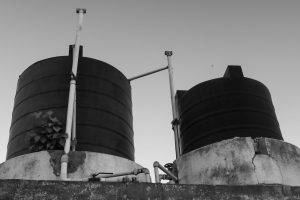
As a result, any water tanks or pipework in the loft are more exposed to freezing temperatures, which can lead to split pipes or failed ball valves in a loft tank, allowing water to run unchecked. The resulting damage can be extensive, with repair costs running into tens of thousands of pounds.
Empty properties mean slower problem detection
Late winter risks are compounded when a property is unoccupied. In empty rentals and holiday lets, leaks and heating failures often go unnoticed for days or even weeks, dramatically increasing the potential for widespread damage. That’s why insurers usually impose stricter conditions on these properties.
Typically, owners must either maintain the minimum internal temperature or fully drain down the water system during extended periods of vacancy. If neither step is taken, insurers are highly likely to refuse any subsequent claim.
Protecting your property can also protect your claims
According to the Association of British Insurers, the average claim for a burst-pipe now exceeds £9,000, while damage caused by loft tank leaks can run into tens of thousands of pounds, and in some cases, exceed £75,000, increasing rapidly in holiday lets, where problems are often left undetected for long periods. Few landlords can absorb losses of that scale if a claim is declined, so it’s worth taking pains to ensure that you don’t have to.
- Regularly testing heating systems helps to ensure that they’re ready to cope with whatever the wild and woolly late winter and early spring months have to throw at them. Don’t just assume that minimum temperatures are being achieved.
- Check loft spaces, tanks and valves regularly to make sure that there are no signs of leaks or damage. Because while leaks can occur at any time, they’re far more likely during unexpected cold snaps. Particularly in well-insulated homes. Routine inspections could save you a lot of unexpected stress and money.
- If your property is going to be empty for any length of time, decide whether to keep the heating running or drain the water system completely. And document whatever action you take. Because it could make the difference between an insurance payout and a claim rejection.
It’s easy to relax when the temperatures begin to rise, to assume that the last of the bad weather – and the attendant risk to your property – is behind you for the next nine or so months. But the UK’s weather is increasingly unpredictable, and complacency can carry costly consequences for landlords. So, while you can’t control the weather, you can take steps to protect yourself against risk – and it’s important to remember that those steps don’t end in taking out insurance, but rather following your policy to the letter.
Matt Durrant, insurance expert at i4me, with over 20 years of experience protecting UK homes, holiday lets and holiday properties