The Superior Benefits of Engineered Wood Flooring By A Flooring Expert
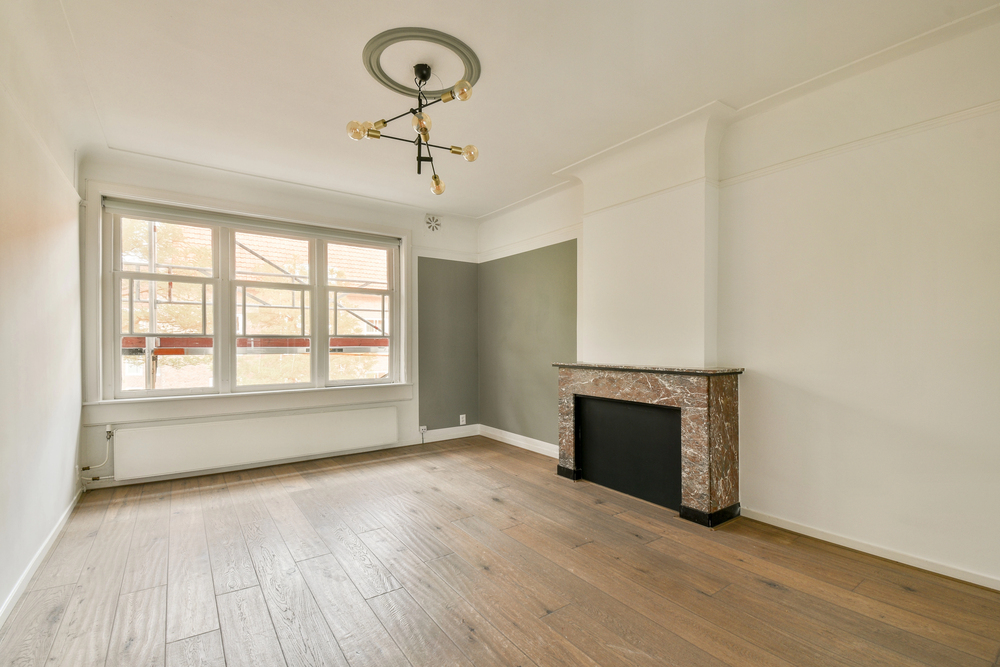
With our feet planted firmly in 2026, multi-award-winning flooring installers, we at Derwenthorpe Flooring, are confident in calling the next big trend: warm engineered hardwood, covered in textured graining and packed with character.
As developers look ahead to future renovations, biophilic design – driven by a growing appetite for lived-in interiors full of natural materials – is fuelling a simultaneous desire for design choices that convey a certain tenderness, comfort and vitality over pristine looks and fleeting trends. Hence, why now, more than ever, property owners are enjoying the benefits of engineered wood floors.
Bringing Us All Up to Speed: What is Engineered Wood?
Engineered wood flooring is full of benefits, but why so? The most obvious reason is its construction. After all, it’s what gives it its stability, strength and beauty.
Engineered wood is a natural product made from a mixture of solid hardwood and layers of ply, MDF and softwood, expertly planed for an interlocking edge that makes installation a doddle.
The real hardwood surface is finished in a lacquer or oil, sitting atop layers of softwood or a multi-ply core, while the locking system (either a click or tongue-and-groove profile) is sandwiched between said core and a durable base layer. The result: a robust plank that is strong enough to withstand the demands of daily use yet more lightweight than solid wood.
A Mushrooming Trend We’re Going to See More Of
Engineered wood has been a popular alternative to traditional solid wood flooring for many years now, but look to magazine spreads, social media feeds, and property portfolios, and it’s clear that the material is set to dominate.
Don’t just take it from us, though. The data is clear: globally, the engineered wood flooring market is experiencing serious growth. As the demand for durable, eco-friendly, and moisture-resistant flooring continues to rise across both residential and commercial sectors, its use will only diversify – something I’m already seeing fitting engineered wood around York in private and rental properties alike.
Thanks to a versatility in applications – kitchens, corridors, boutique shopfloors, and offices, to name a few – consumers are more likely to move from high-end luxury vinyl tile (LVT) to better-priced engineered wood options.
11 Clear Benefits of Engineered Hardwood Flooring Property Owners Should Take Notice of in 2026
1. It’s Seriously Cost-Effective
There’s a reason why this comes at the top of my list: engineered wood, whilst heralded for its handsome looks, easy installation and day-to-day convenience, is foremost prized for its affordable price tag. Coming in at an average of £35 per square meter for the material, it’s not far off the price of laminate or LVT, which ultimately looks a bit cheaper and doesn’t resist water nearly so well. In short, engineered wood bears many of the benefits of solid wood, yet it’s a fraction of the cost.
2. It’s the Spitting Image of the Real Thing
Aesthetically, engineered wood is practically identical to its solid wood counterpart, largely because the top layer is real hardwood. As such, it offers a warmth and authenticity that other materials simply can’t replicate, and a depth of graining that works wonders for texture and visual intrigue across both period properties and new builds. A far cry from the poor quality wood-look alternatives that once flooded the market, engineered wood is the next best thing when traditional solid wood planks are off the table.
3. Its Staying Power is Second-to-None
Wooden floors have prestige; it’s as simple as that. With 400 years of history under their belt, they ooze a timeless appeal, go with practically any interior style, and often look better, not worse, with age.
As I mentioned earlier, the layered structure of engineered wood brings an immense amount of staying power. With an expected lifespan of up to 30 years, there’s no need for expensive refurbs later down the line, and it’s the perfect companion to busy family homes. Speaking of…
4. It Takes Knocks & Bumps on the Chin
One of the most convenient advantages of engineered wood flooring is that it’s well-matched to bustling family homes filled with kids, guests, pets and heavy furniture; it’s also a clever choice for hotel receptions, boutique shops and offices looking to impress visitors the moment they step into the space.
Besides its undeniable attractiveness, engineered wood is highly scratch-resistant, will withstand knocks and bumps, and provides durability only slightly below that of solid wood – all whilst resisting moisture.
5. It Takes Underfloor Heating Like a Duck to Water
Whether it’s a landlord looking to retrofit an older property, or a bed and breakfast host seeking a superpower feature to encourage reviews of their master suite, the toasty sensation of engineered wood warmed up by an underfloor heating system is unbeatable. Designed to handle temperature and humidity fluctuation without warping or cracking, UFC-compatible brands are some of the best choices out there.
6. It Can Handle Moisture With No Problems
Another crucial benefit to take note of is engineered wood’s canny ability to withstand moisture. Unlike traditional solid wood, which expands and contracts a good deal more, engineered wood is safe to lay in damper environments: kitchens, bathrooms and utility spaces included. For my clients in the wider York area, this has been a game-changer, allowing them to truly experiment with style in these multi-use spaces.
7. It Has Strong Sustainability Credentials
As a plentiful, renewable resource, FSC-certified engineered wood is one of the best options for eco-conscious property developers, designers and homeowners. In fact, it can even outdo solid wood alternatives in this regard, especially if you’re considering exotic woods whose trees take a long time to grow and whose supply chains cover long distances, which adds to the carbon emissions. You’ll find that many British brands use European timbers and may even utilise recycled wood for the core layer of the flooring.
8. It’s Sandable & Refinishable
If an engineered wood floor loses its charm because of a pesky mark, stubborn stain or a collection of scratches, there’s no need to rip up the whole thing. Depending on the thickness of the top layer, it can be sanded down and refinished numerous times to restore that signature beauty. The supplementary benefit is that your refresh needn’t be a carbon copy of the original floor. Bored of the colour? You can switch it up easily with a new shade of lacquer.
9. It Adds to Both Property Value & Perceived Value
Engineered wood is a flooring choice that will always make a room look more expensive, but it can also impact your property value for the better. Often seen as a premium and desirable feature by potential buyers, the material is a smart investment thanks to its pure quality and long lifespan.
10. Installation is Effortless
From years of personal experience, I can say that engineered wood lends itself to a smooth installation, making it a good option to DIY. Thanks to its interlocking design and effortless click laying system, it’s a much simpler job than fitting traditional hardwood, which speeds up our work and allows for a stunning fit.
11. It Has Design Versatility Abound
Flooring brands have made strides on the design front over the last few years, allowing us to bring an expansive array of choices to clients, fine-tuned to their style sensibilities.
The top layer can be fashioned from many species of tree, including favourites like European oak as well as harder types like ash; stained, oiled and waxed to acquire any colour you so desire; and finished with different surface textures to bring varying levels of dimension and texture.
The shape of the boards themselves introduce further design choices. Narrower planks are an asset in smaller rooms to convey size and allow for more intricate patterns, whilst wider boards create an uninterrupted, high-end look. I need not mention the boundless possibilities of laying patterns – the number of heritage patterns like herringbone and chevron that we’ve installed has skyrocketed over the last few years.
The Takeaway: Engineered Wood is More Than a Fleeting Fad
Few design choices make such a splash as an artfully fitted engineered wood floor. Herringbone, in particular, is doing the rounds on the feeds of architects and interior designers, breathing vitality and charm into a multitude of spaces – and unsurprisingly.
Once you step back and put its qualities under a microscope, claims that engineered wood is just another short-lived trend lose their potency. Engineered wood is here to stay. I’m glad homeowners are waking up to the quality of this beautiful material and what it can bring to a space in terms of warmth and expression.
Image: Deposit Photos