What Today’s HNW Buyers Really Want from Prime Turnkey Finishes
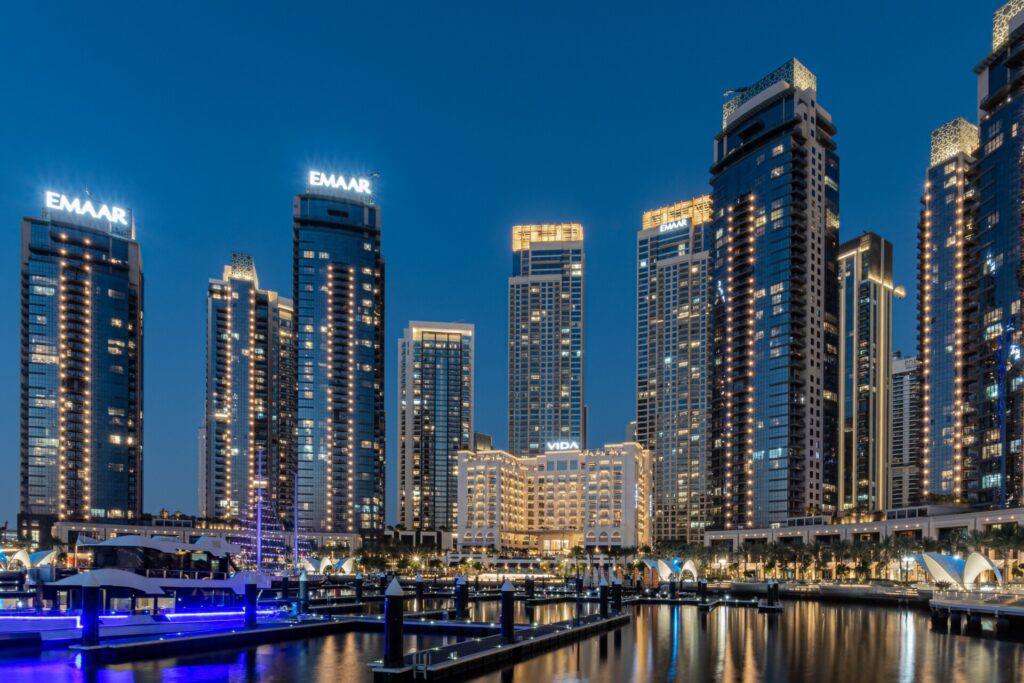
In the upper tiers of the UK property market, “turnkey condition” doesn’t mean what it used to. A decade ago, a glossy Italian kitchen, some neutral walls and a bit of safe staging might have been enough to impress. Today, premium developers, asset managers, and luxury agents know that this kind of formulaic finish rarely secures a premium — or closes with a truly discerning high-net-worth individual (HNWI).
These buyers are hyper-mobile, short on time, and far more design-aware than many developers give them credit for. They want the ease of walking into a property that’s fully move-in ready, but they don’t want it to feel like the last three show apartments they viewed. The moment a space feels cookie-cutter, its perceived value drops sharply for the modern collector.
For developers aiming to achieve top-tier prices and shorten sales cycles in the ultra-prime segment, getting under the skin of today’s HNWI expectations is no longer optional — it’s central to Return on Investment (ROI). To unpack what’s genuinely working in the market right now, we spoke with Wild LouLou, a luxury interior design studio and high-end marketplace specialist.
Moving Beyond ‘Corporate Luxury’
“The biggest mistake a developer can make in the current market is playing it too safe with corporate luxury,” the Wild LouLou team explains. “HNW buyers can spot a generic, white-labelled furniture rental package from a mile away. It has no soul. Instead, they’re looking for what we call ‘character turnkey’ — homes that feel as though they’ve been curated by an expert over many years, not dressed in a rush the week before photography.”
When an affluent buyer walks into a prime residence, they’re looking for an instant emotional response. If the interior looks interchangeable with the scheme down the road, that spark never happens. Tapping into this emotional connection means moving away from bland minimalism and towards confident, considered curation.
Three High-Yield Design Focuses
So where should developers actually allocate their fit-out budgets to attract the global elite? According to Wild LouLou, three design focuses consistently translate into tangible market value.
Sculptural, Artisan Lighting
Standard downlights are now just the bare minimum. To justify a premium, properties need statement, artisan-made lighting that acts as the jewellery of each room. These pieces frame the space from the moment a buyer steps inside and quietly signal that no detail has been left to chance.
Tactile, Textural Materiality
The days of flat, clinical finishes are numbered at the top of the market. Buyers want warmth, depth, and a sense of craftsmanship. Hand-applied micro-cement, richly textured wallcoverings, and deeply grained, sustainably sourced timber all help create an atmosphere of understated, touchable luxury.
Turnkey Marketplace Integration
The most forward-thinking developers no longer stop at structural finishes. They curate entire environments: art collections, bespoke furniture, and one-off pieces from independent makers around the world. Increasingly, these elements are included within the purchase price, giving buyers a complete, considered home from day one.
Selling a Seamless Lifestyle
“Time is the ultimate commodity for high-net-worth individuals,” says Wild LouLou. “If a developer can hand over keys to a home that feels utterly bespoke, architecturally interesting, and already carries the patina of a seasoned collector, they’re not just selling a property — they’re selling a fully formed lifestyle. And that’s what commands the true premium.”
For the luxury property sector, the message is clear: if you want to unlock maximum asset value in the ultra-prime arena, step away from the generic, lean into character, and invest in design that feels genuinely lived-in rather than simply rolled out.