Manchester sees A-rated EPC lodgements rise by 45 per cent in one year
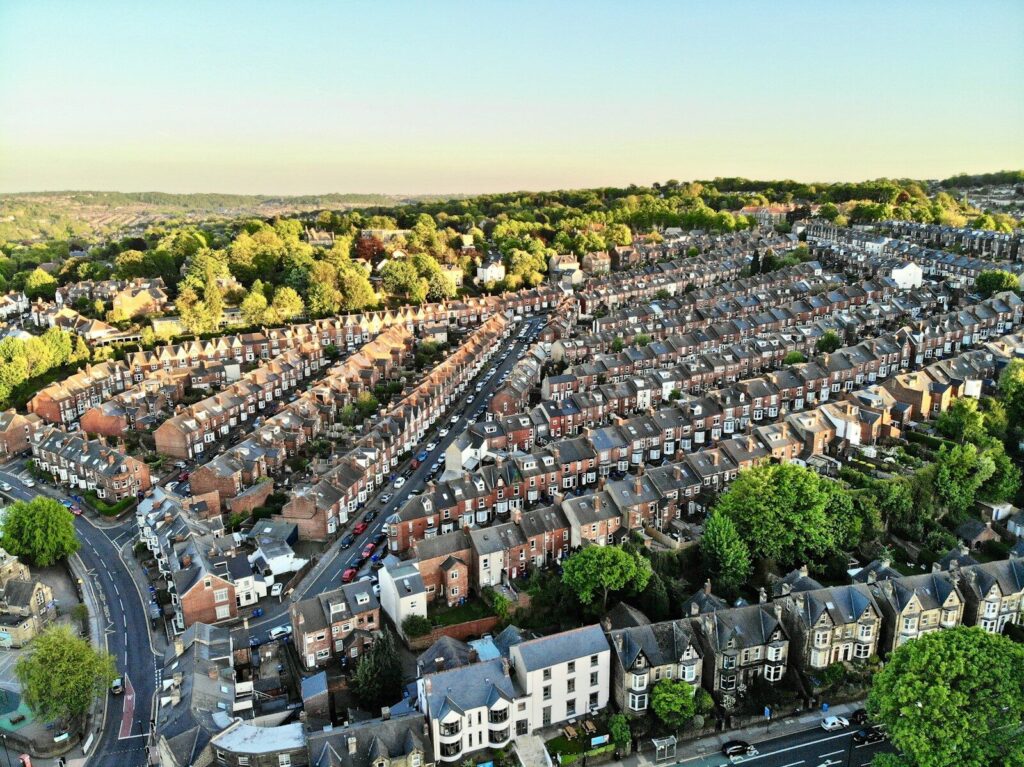
A new study, conducted by Property Buyers Today, analysed EPC lodgements to reveal how the energy efficiency of EPC lodgements in Manchester has changed between Q2 2025 and Q2 2026.
Manchester saw 5,020 EPC lodgements in Q2 2026, up from 4,654 in Q2 2025, which is an increase of 7.9 per cent. In Manchester, the number of EPC lodgements receiving an A rating rose from 40 to 58, which is an increase of 45.0 per cent.
The number of B-rated EPC lodgements fell from 996 to 748, a 24.9 per cent decrease. When A and B ratings are combined, the number of EPC lodgements receiving an A or B rating fell from 1,036 to 806, a 22.2 per cent decrease.
C-rated lodgements increased from 2,503 to 3,030, which is a 21.1 per cent rise. D-rated lodgements remained relatively stable, rising from 1,004 to 1,085, an 8.1 per cent increase. E-rated lodgements increased from 78 to 85. Lower-rated lodgements became less common, with F-rated lodgements falling by 50.0 per cent, from 24 to 12, and G-rated lodgements falling by 77.8 per cent, from nine to two.
Overall, while Manchester recorded more A-rated lodgements in Q2 2026, the proportion of EPC lodgements achieving an A or B EPC rating fell from 22.26 per cent to 16.06 per cent, as the number of B-rated lodgements declined and more lodgements fell into the C band.
Saif Derzi, Founder of Property Buyers Today, commented on the findings:
“It is encouraging to see the number of A-rated EPC lodgements increase in Manchester. This rating is rare and hard to achieve. But the data also shows a large movement from the B band into C, which means that the proportion of highly efficient lodgements has fallen.
“For homeowners and buyers, this highlights the importance of looking beyond individual improvements and considering the wider energy efficiency of a property. With energy costs continuing to affect household budgets, an EPC rating can play an increasingly important role when assessing the long-term affordability and appeal of a home.”