Determining the Ideal Lift Size in Modern Buildings?
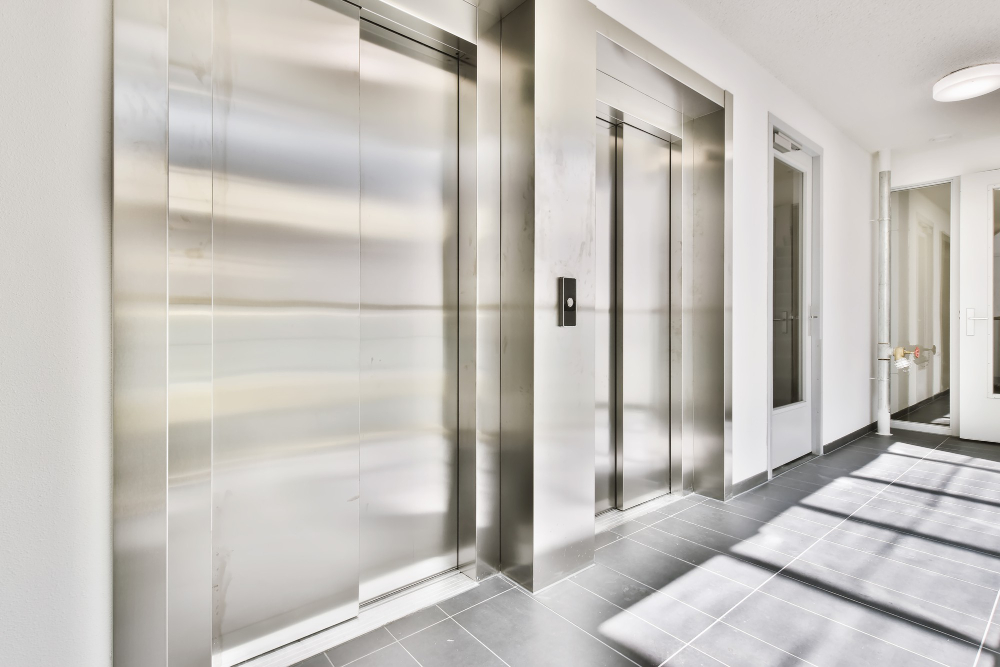
Lifts play a crucial role in improving the functionality and accessibility of buildings, going beyond mere convenience. Whether you find yourself in a compact lift with limited space for you and your belongings or stepping into a spacious elevator that can rival the size of a standard room, you have witnessed the range of lift dimensions. However, this diversity is not random; it is a direct result of the unique requirements and regulations that govern the design and installation of elevator systems in different settings.
Understanding the Variability in Lift Sizes
Lift dimensions vary significantly based on several key factors:
- Commercial vs. Residential Needs: Commercial lifts are designed to accommodate the heavy lifting of goods, supplies, and equipment, often requiring a higher weight capacity and larger dimensions. In contrast, residential lifts might prioritise space efficiency, fitting into existing structures with limited modifications.
- Building Conversions and Additions: Especially in residential settings, lifts are frequently integrated into buildings as modern enhancements. This often necessitates the use of compact lift designs that can adapt to pre-existing architectural constraints.
- Accessibility Requirements: Lifts designed for accessibility—such as wheelchair lifts—demand broader doorways, sufficient space for manoeuvrability, and additional safety features. This can significantly influence the overall dimensions and design of the lift.
Standard Dimensions for Passenger Lifts
Passenger lifts, the type predominantly found in public spaces like hotels and shopping centres, do not adhere to a one-size-fits-all approach. Their dimensions are influenced by the intended number of passengers, the size and purpose of the building, and specific safety and comfort considerations. For instance, residential buildings might feature lifts measuring 910mm x 1220mm, with a door width of 910mm, while office buildings may opt for larger sizes, such as 1830mm x 1530mm with a 1220mm door width, to accommodate a greater flow of individuals.
Navigating the Standards for Disabled Lifts
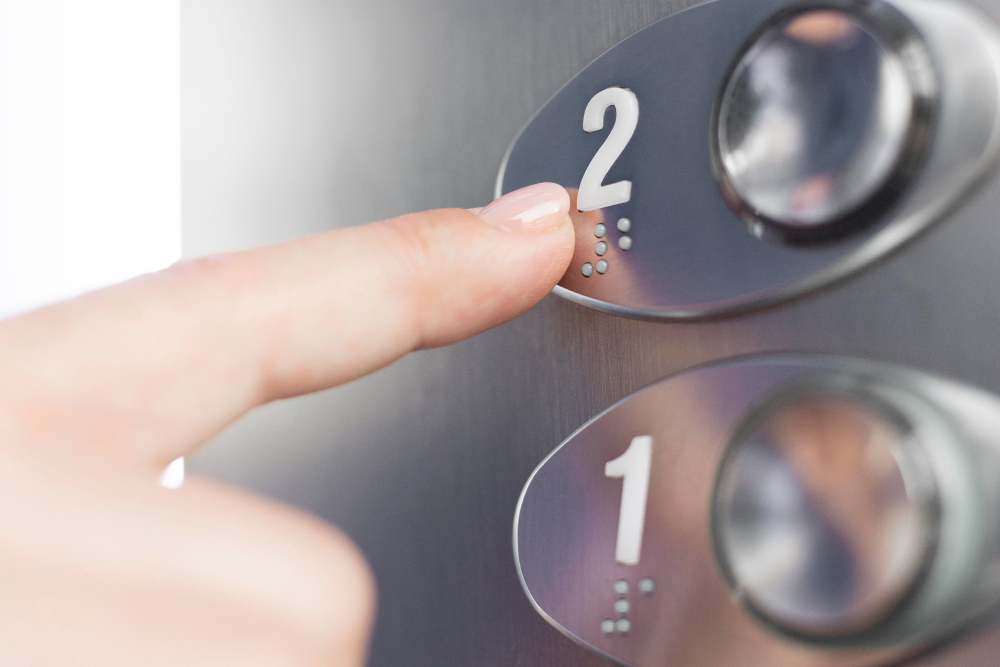
The dimensions and regulations for disabled lifts, particularly in the UK, are guided by Building Regulations to ensure accessibility and safety. “Access to and use of buildings: Approved Document M” outlines these requirements, emphasising the need for ample space for wheelchair manoeuvrability and suitable access routes. While there’s a degree of flexibility in these guidelines, the goal remains clear: to ensure that individuals with disabilities can access and use lifts comfortably and safely in public buildings.
The Flexibility of Residential Lift Dimensions
When it comes to residential lifts, the rules are less stringent, allowing for a broader range of dimensions. These lifts cater to various needs, from facilitating wheelchair access to transporting goods or simply serving as a convenient means of moving between floors. The flexibility in design and dimensions ensures that homeowners can find or customise lifts to meet their specific requirements, whether for accessibility, convenience, or both.
Choosing the Right Lift for Your Needs
With the plethora of options available, selecting the ideal lift dimensions can seem daunting. However, whether you’re an architect designing a new home, a homeowner seeking to enhance your property’s accessibility, or a professional recommending solutions to clients, understanding the factors that influence lift dimensions can guide your decision-making process. By considering the specific needs of the building’s occupants, compliance with regulatory standards, and the architectural constraints of the property, you can identify the elevator solution that best suits your project.
Lifts play a pivotal role in modern architecture, bridging the gap between design, comfort, and accessibility. By tailoring lift dimensions to the unique requirements of each setting, buildings can cater to the needs of all users, ensuring a seamless and inclusive experience for everyone.