Landscaping Expert Reveals The Top 3 DIY Mistakes Homeowners Are Making, As 70,000 Brits Search For Garden DIY Advice
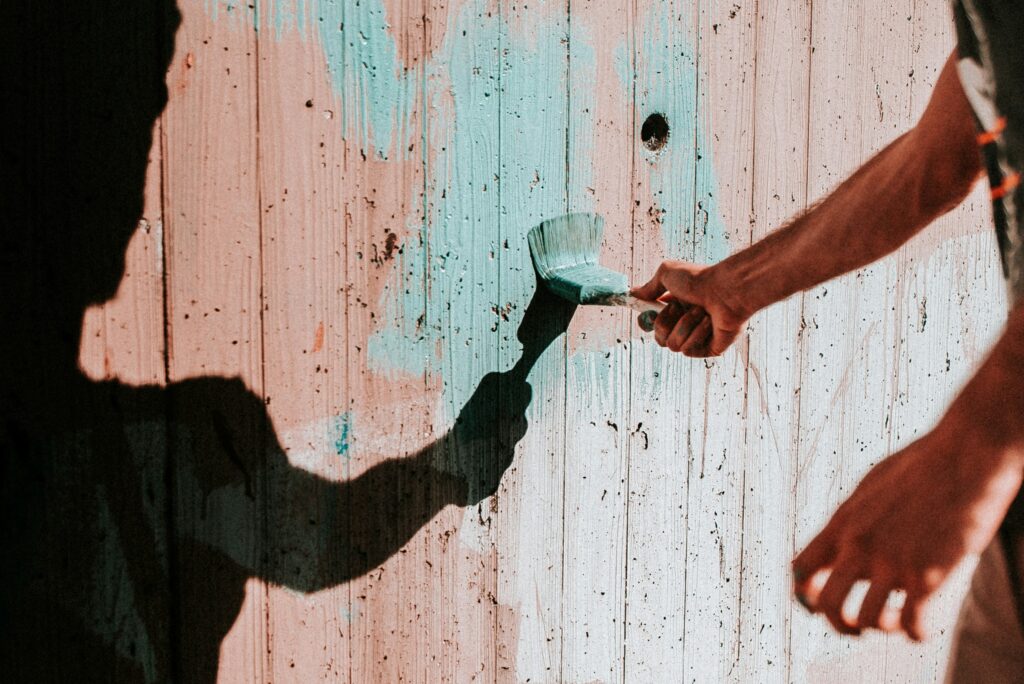
The DIY market in the UK is predicted to reach £12bn for 2024, with countless homeowners opting to save time and cash on their household projects by doing tasks themselves.
However, when it comes to garden DIY, Landscaping Specialist Andy McLaughlin at RF Paving has warned Brits of the risks behind taking on your own garden tasks, including unnecessary extra costs and safety implications.
According to search data, almost 70,000 Brits search for ‘garden DIY’ advice per month, and these are the most common gardening jobs they are looking to take on themselves:
| Popularity Rank | DIY garden task |
| 1 | Laying artificial grass |
| 2 | Building a shed |
| 3 | Building a pergola |
| 4 | Laying decking |
| 5 | Building a fence |
| 6 | Painting a fence |
| 7 | Painting decking |
| 8 | Laying paving |
| 9 | Building a patio |
| 10 | Building a raised bed |
Falls, stairs, ladders and tools cause the most DIY injuries
According to a recent study which measured injuries per 100,000 people**, falls are the most common accident to occur during DIY, followed by accidents involving stairs, ladders, and manual tools. Other accidents involved the use of fences, power and hand garden tools, and even paints, all of which are common in garden DIY.
The three key elements you MUST consider before starting a DIY task
Andy Mclaughlin, Landscaping Specialist at RF Paving, believes planning is the number one step homeowners overlook when it comes to garden DIY. He said:
“Whatever the project, meticulous planning is key to its success. Neglecting to plan, can not only lead to physical mistakes being made, but can often lead to projects overrunning and costs spiralling out of control. Making sure you understand the scope of work is key, with various things needing to be considered before starting, like access, ground conditions, gradient, materials and equipment that is required.”
Alongside planning, there are 3 things you should consider before taking on a Garden DIY task:
Budget
“Budget is a massive consideration, and often why the project is chosen to be carried out by the homeowner, saving on the labour costs. Although in theory the labour costs are nil for DIYers, an educated estimate of material costs should be carried out to make sure the result is achievable within the budget. If the budget is getting close to being exceeded whilst the project is being carried out, at no point should ‘corners be cut’. This could have a negative impact on the longevity of the final product or in some cases have safety implications if the materials or installation is compromised.”
Timescale
“Timescale is also a factor that is often overlooked. When doing any sort of project, there are often unforeseen circumstances that can not only incur extra costs but can delay the projected completion date. This should be considered if the project is needed to be ready for completion for a specific time, for example if the garden space is to be used for a family gathering, overlooking timing could potentially be the biggest mistake being made!”
Materials
“Using the correct materials and ensuring they’re installed correctly is key to a successful project. Some of the most common mistakes can be avoided by taking installation advice from suppliers. For example, if laying Natural Stone or External Porcelain Paving, ensure the rear of the paving is cleaned and free of dust and/or contaminants before a priming slurry is applied and the paving is laid in the correct manner, on a full contact wet bed of mortar.”
“Maybe a decked area is being constructed, therefore consideration should be given to the type of decking being used. Composite or its correct term, WPC (Wood Plastic Composite) decking is becoming the first choice over traditional wood, but whichever material is being used, the correct screws and fittings must be used and if treating wood, ensure the stain or paint is suitable and correctly applied.”
Why hiring a professional could be a better investment than DIY
“Landscaping professionals charge for their time as well as the material costs, and the overall cost of the project will inevitably be higher than a DIY project, but what you do have with hiring professionals is their expertise, knowledge and workmanship.They carry out projects throughout the year, having the correct tools and equipment meaning they can often reduce the time taken to complete the project. Although it may be cheaper to carry out a DIY project, often time restraints, skill set, and life just simply get in the way.”
“If this is the case choosing the correct contractor is always key. Them having a proven track record, and a reputation for quality is often the most important factors when deciding. Again, budget is a massive factor to consider but that shouldn’t sway you to the cheaper quote… as with anything, if it is cheaper, you may want to ask yourself the question, why is it cheaper? If hiring professionals or choosing a DIY project, make sure that your budget can match your expectations, take advice, and plan your project within the limits that you have.”