Insteel UK: Steel as a Value Driver: Why High-End Developments Are Investing in Architectural Steel
In a competitive property market, differentiation is everything. Buyers at the upper end are no longer swayed by square footage alone; they are looking for architectural integrity, thoughtful design, and materials that signal quality from the moment they step inside. Increasingly, one material is becoming shorthand for all three: steel.
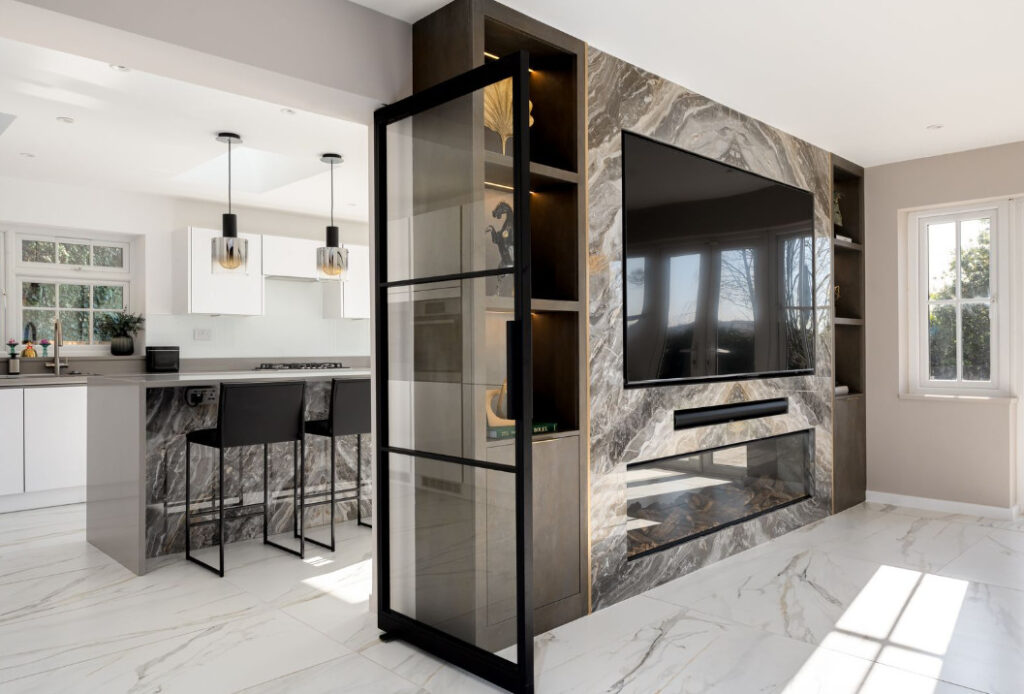
Architectural steel doors and partitions, once confined to industrial conversions, are now appearing in luxury new-builds, premium refurbishments, and high-spec developments across London and the South East. For developers, they are proving to be more than a design flourish; they are a strategic investment.
London-based atelier Insteel UK has seen demand surge from developers seeking to elevate properties without resorting to over-specification. Their bespoke steel-framed glazing systems are being used to create light-filled layouts, defined living zones, and architectural focal points that resonate strongly with modern buyers.
A Premium Signal in Competitive Markets
In today’s high-value residential sector, visual cues matter. Steel-framed doors instantly communicate design credibility. They are associated with architectural refinement, contemporary living, and quality craftsmanship, all attributes that help justify premium pricing.
“Buyers recognise steel as intentional design,” says Insteel’s founder, Agnes Mikulska. “It signals permanence and attention to detail.”
For developers, that perception can translate directly into sales performance. Steel features often photograph exceptionally well for marketing materials, adding contrast and visual clarity to interior spaces. In show homes, they create immediate impact, guiding sightlines and enhancing natural light.
Maximising Layout Without Major Structural Change
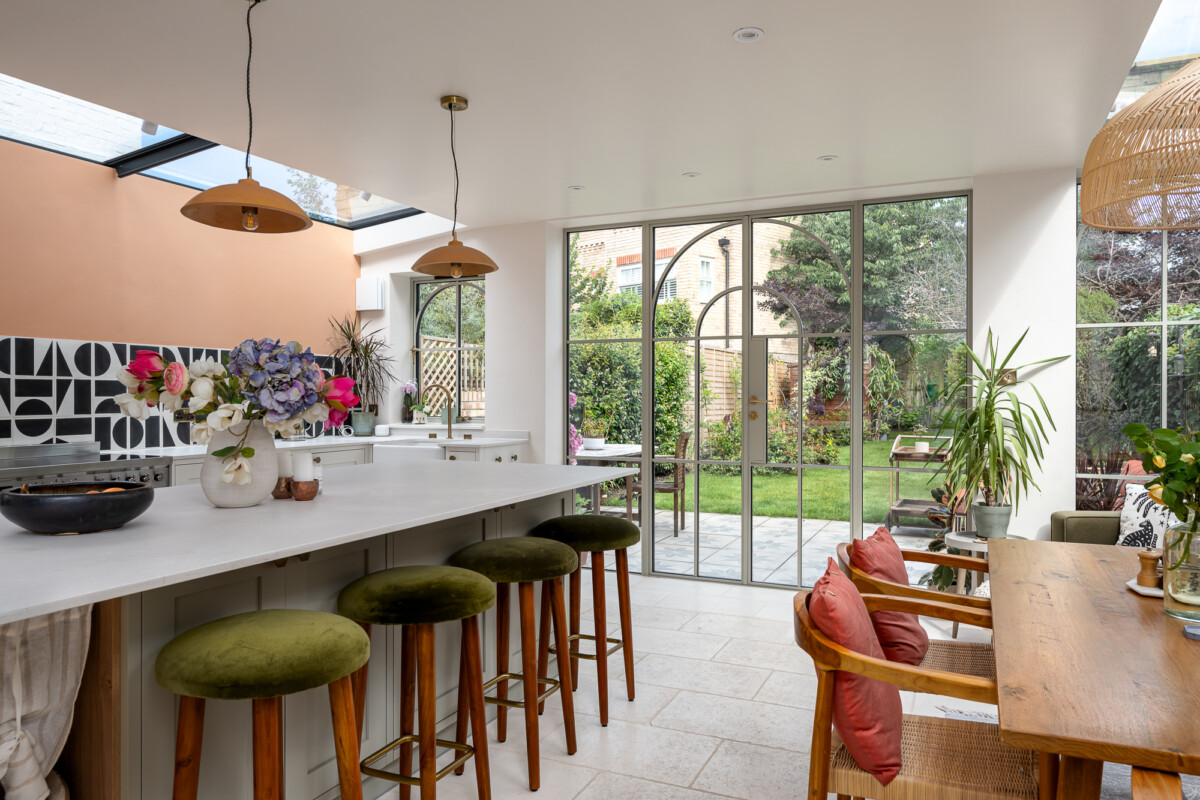
From a practical standpoint, steel-framed partitions offer flexibility that is particularly valuable in refurbishments. Rather than removing walls entirely, which can trigger structural costs or planning complications, developers can introduce steel glazing to open up sightlines while retaining structural stability.
This approach preserves defined zones (such as home offices or snug areas) while maintaining the open-plan feel that buyers expect. The result is adaptable living space without compromising architectural coherence.
In higher-density urban schemes, where space efficiency is critical, steel partitions can enhance perceived square footage by improving light flow and visual connectivity.
Durability and Longevity
Long-term value is another factor driving adoption. Unlike timber or lower-grade aluminium alternatives, steel offers exceptional durability. It resists warping and maintains its structural integrity over time, reducing the likelihood of post-completion maintenance issues.
For developers focused on build quality and reputation, that durability is significant. It aligns with a broader market shift toward materials that feel permanent rather than cosmetic.
A Contemporary Yet Timeless Choice
Perhaps steel’s greatest strength lies in its versatility. It complements period refurbishments as easily as contemporary new-builds. It works alongside natural stone, engineered timber, microcement, and traditional plaster finishes without dating the property.
For property investors and developers looking to future-proof their schemes, this timelessness is key. Steel does not chase trends; it supports enduring design principles.
As buyer expectations continue to rise, materials that communicate authenticity and architectural intent are becoming essential. Steel, particularly when executed with precision and craftsmanship, is no longer an optional upgrade, it is fast becoming a benchmark of high-end residential quality.
And for developers focused on both design and return on investment, that makes it a material worth specifying.
For more information visit: https://www.instagram.com/insteel.uk?igsh=MWx2MDRpbWFmdnd0aw==