Homeowners Issued Warning Over ‘Abandoned’ Scaffolding
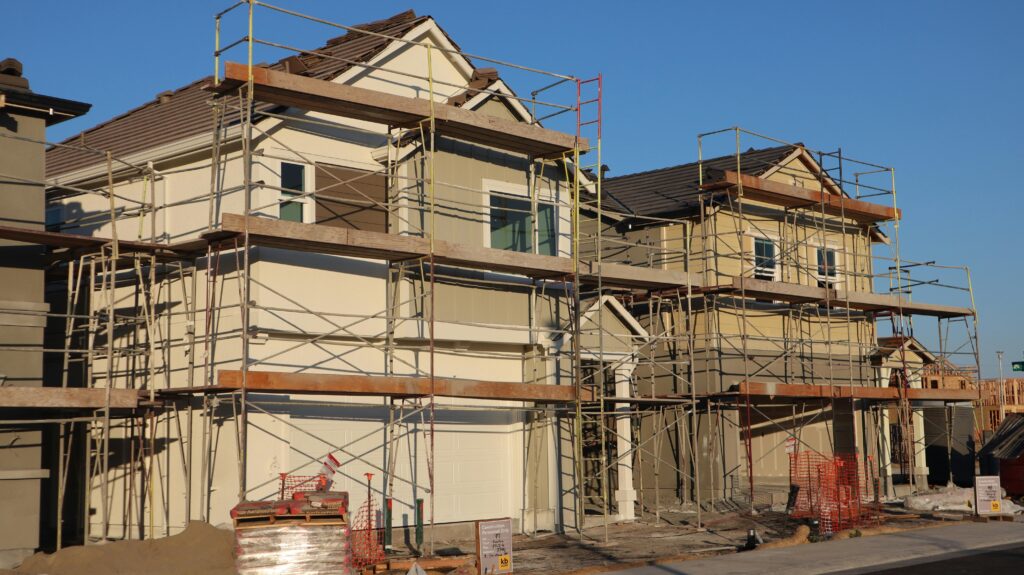
With spring approaching, many homeowners are gearing up for seasonal renovations, from roof repairs to fresh exterior paint.
But while the focus is often on getting the work done, far fewer people think about what happens once it is finished, especially when a towering scaffold structure is still standing outside their home.
One of the most common and frustrating complaints for UK homeowners: the building work is finished, the bill is paid, but the scaffolding remains stuck on the driveway for weeks, or even months, on end.
With many scaffolding firms currently overstretched or using residential sites as “free storage” between jobs, John Khan, Director of Manchester-based scaffolding
From hidden security risks to the legal “Notice to Terminate,” John outlines the five essential steps to take if your scaffolding has been left behind.
“It’s actually more than just an eyesore; it’s a security risk, a safety hazard, and in some cases, it can even invalidate your home insurance. People can often feel very stuck on what to do, but there are clear steps you can take to force a dismantle.”
5 things to do if your scaffolding hasn’t been taken down:
1. Check the ‘Scafftag’ and the permit
“Every professional rig should have a ‘Scafftag’ identifying the company. If your main contractor has gone bust or stopped answering, call the scaffolding firm directly. If the poles are on a public pavement, check the local council permit. Once that permit expires, the company faces daily fines. Pointing this out to them is often the fastest way to get them to move.”
2. Issue a ‘Notice to Terminate’
“If phone calls aren’t working, stop being polite. Under the 1977 Act, you can send a formal letter giving the company a reasonable deadline (usually 7 to 14 days) to remove their equipment. State clearly that if they fail to do so, you will arrange for a third party to dismantle it and bill them for the costs.”
3. Call your insurance provider
“Most people don’t realise that scaffolding can be a ‘material change’ to your home insurance. It’s essentially a ladder for burglars to reach your top-floor windows. If it’s been left up indefinitely, tell your insurer. Sometimes, a letter from an insurance company to the scaffolding firm regarding increased liability is enough to make them prioritise your dismantling.”
4. Don’t attempt to do it yourself
“It might be tempting to grab a spanner and start loosening bolts yourself, but please don’t. Scaffolding is heavy and unstable and requires a specific sequence to take down safely. If you drop a pole through your neighbour’s conservatory or your own roof, you’ll be the one liable for the damages, not the scaffolding company.”
5. Request the 7-Day inspection record
“Legally, scaffolding must be inspected every seven days to ensure it’s still safe. If a firm has ‘abandoned’ the kit on your lawn, they likely aren’t inspecting it. Ask for the inspection logs. When they realise they are in breach of Health and Safety regulations, they usually scramble to get the kit off-site to avoid a paper trail of negligence.”