Think Your CCTV Has You Covered? These Mistakes Say Otherwise
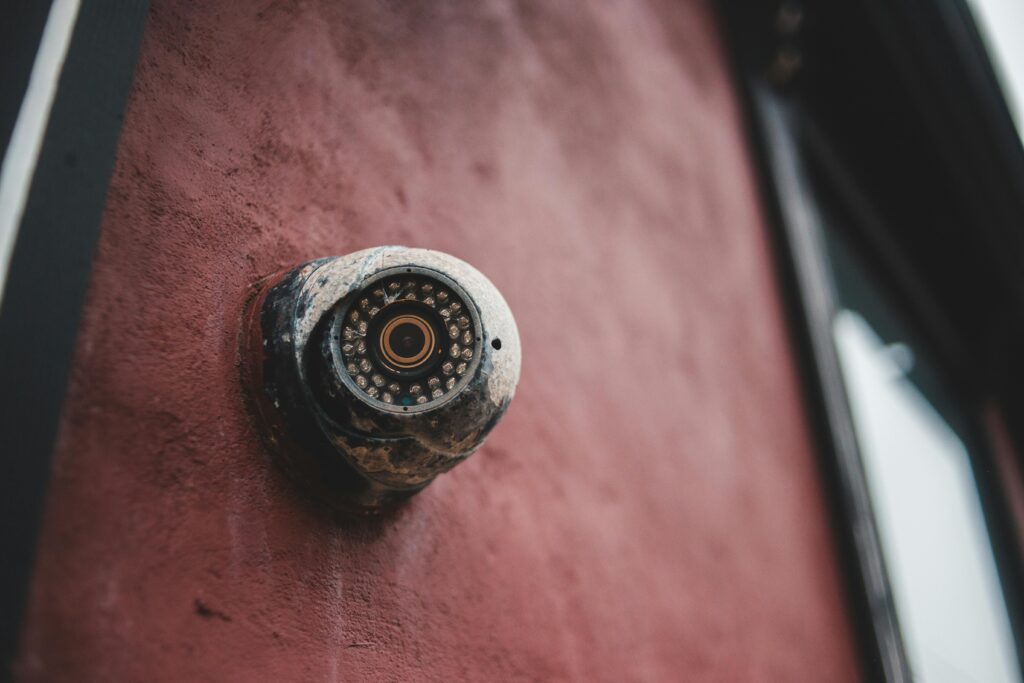
Many homeowners are unknowingly sabotaging their own security by making simple mistakes, like pointing cameras at the garden gnome instead of the front door or forgetting that hackers love lazy passwords. From blurry footage to forgetting to check the system, even the fanciest cameras can turn into expensive paperweights. Knowing the top CCTV blunders can help you stop leaving your home and your peace of mind wide open.
Research consistently shows that visible CCTV cameras play a crucial role in deterring crime. Studies indicate that between 60 and 70% of opportunistic burglars are likely to avoid properties where security cameras are clearly visible, instead targeting homes they perceive as easier and less risky. This makes CCTV not just a tool for recording incidents after they happen, but a powerful preventative measure that can stop crimes from occurring in the first place, helping homeowners protect their property and gain greater peace of mind.
Carlos Dhunay, home security expert at TelCam, has shared his top tips to help homeowners keep their property safe:
- Poor Camera Placement
Placing cameras where they don’t cover vulnerable entry points or have obstructed views is a common error. Corners, high walls, or areas hidden by foliage can reduce effectiveness. - Using Low-Resolution Cameras
Choosing cheap, low-resolution cameras may save money upfront but compromises the ability to identify faces, license plates, or details during incidents. - Ignoring Weatherproofing and Durability
Outdoor cameras must withstand rain, heat, snow, and dust. Failing to select weatherproof models can lead to early malfunction or damage. - Neglecting Maintenance
Cameras need periodic cleaning, software updates, and functional checks. Dusty lenses, firmware bugs, or misaligned cameras reduce effectiveness.
“Home CCTV systems are incredibly effective when they are installed and used correctly, but we often see homeowners undermining their own security through avoidable mistakes,” says Carlos. “Poor camera placement, outdated settings, and weak passwords can all create blind spots that criminals are quick to exploit. A well-planned CCTV system should be visible, properly maintained, and supported by good digital security. Taking the time to get these basics right can be the difference between deterring a crime altogether and only discovering what went wrong after the fact.”
To make sure you’re getting the most out of your home security, experts recommend following a few simple steps:
- Focus on key entry points
Position cameras to cover front and back doors, driveways, garages, and side access points, which are the most common targets for intruders. - Check footage and alerts regularly
Reviewing recordings and testing notifications helps ensure cameras are working properly and capturing usable footage. - Keep cameras visible
Clearly visible CCTV acts as a strong deterrent, signalling that a property is protected. - Update software and firmware
Regular updates improve performance and help protect systems from cybersecurity threats. - Maintain cameras properly
Clean lenses, check angles, and inspect equipment periodically to prevent blind spots or faults.
With CCTV now a common feature in many homes, experts stress that installation alone is not enough to guarantee safety. Avoiding common mistakes and taking a proactive approach to how systems are set up and maintained can significantly improve their effectiveness. By using CCTV as part of a wider home security strategy, homeowners can better protect their property, deter potential intruders, and enjoy greater peace of mind.