The simple 24p trick to stop rats taking over your home this spring
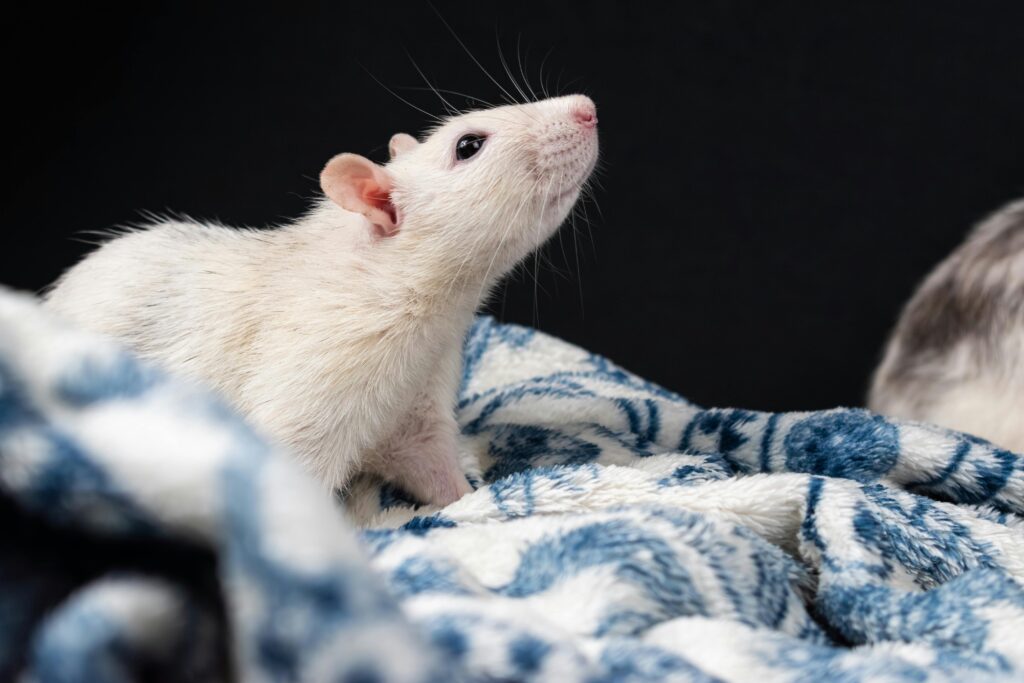
As temperatures rise, rats and mice start looking for their next home, and yours is high on the list.
Spring is when they breed the most, so they are busy searching for food, warmth and somewhere safe to settle. The problem is, if you miss the early signs, it does not take long for things to get out of hand. What starts as the odd noise in the wall can turn into a proper infestation, and getting rid of them can cost around £240.
And it is not a rare issue. Rodents now account for nearly 50% of all pest problems in the UK[1], with councils dealing with infestations every two minutes[2].
The good news is you do not always need to go straight to pest control or fill your house with traps. There is a simple, cheap option that a lot of people already have in their kitchen: garlic.
According to DIY expert Glen Peskett from Saxton Blades, rats really cannot stand the smell of it.
“Rats rely heavily on their sense of smell,” he explains. “It is how they find food and get around. Garlic is so strong it overwhelms that sense, which makes them uncomfortable and keeps them away.”
So while it smells great to us, to them it is a clear warning sign.
How to use garlic effectively
Place fresh garlic cloves near common entry points, such as cracks in walls, doorways, vents, and gaps around pipes. Focus on high risk areas like kitchens, garages, basements, and loft spaces. These are prime nesting spots where rodents tend to explore first.
If scattering cloves around your home feels a bit too much, there are subtler alternatives:
- Garlic oil: Soak cotton balls in garlic oil and place them in problem areas for a less visible solution.
- Cayenne pepper: Its strong scent and irritant properties can discourage rodents from returning.
- Apple cider vinegar: Another pungent smell rats dislike. Use soaked cotton balls in entrances around your home.
Deterrents help, but prevention is what really keeps rodents away. A few simple habits can make all the difference:
- Cut the clutter: Rodents love hidden, undisturbed spaces for nesting.
- Manage waste properly: Keep bins sealed, dispose of rubbish regularly, and clean up spills quickly.
- Seal entry points: Even small gaps can act as entryways. Check around doors, vents, and foundations.
“It might seem simple, but small steps like this can make a real difference over time,” Glen explains. “Catching the problem early and making your home less inviting in the first place is far easier than dealing with a full infestation later on. When it comes to rats and mice, prevention is always cheaper, easier and far less stressful than trying to get rid of them once they have settled in.
Garlic alone will not solve a severe infestation, but as part of a broader prevention strategy, it is a cheap, natural, and surprisingly effective first line of defence.