Designing the Modern Hybrid Office: Creating Spaces That Work for Everyone
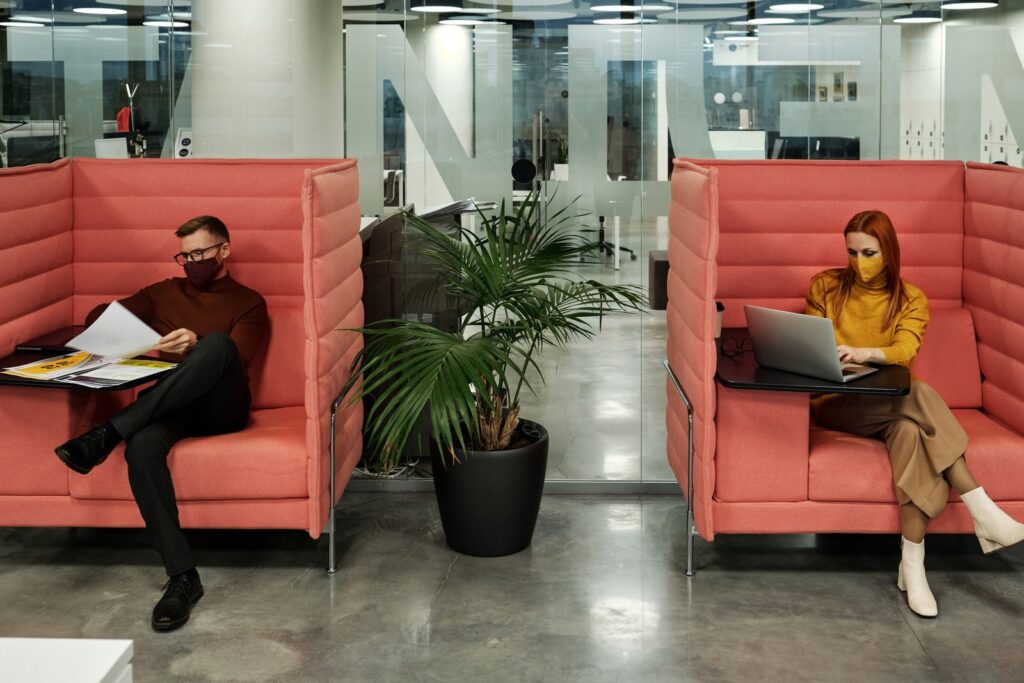
Reports show that 28% of British adults are hybrid working, splitting their time between working in the office and at home.
The traditional office has changed. With teams now splitting their time between home and the workplace, businesses are rethinking what an office needs to achieve.
A hybrid office is no longer simply a collection of desks with a meeting room or two. It needs to give people a reason to come in — somewhere they can collaborate, connect, focus and feel part of a team.
That shift is putting workplace design firmly in the spotlight.
What makes a hybrid office different?
The fundamental idea behind hybrid office design is flexibility. Employees may not all be in the building at the same time, so the workplace needs to support different activities rather than assigning every person a permanent desk.
A well-designed hybrid office might combine:
- Quiet areas for concentrated work
- Informal breakout spaces
- Collaborative zones for team projects
- Private meeting rooms and phone booths
- Flexible desks and modular furniture
- Comfortable social and refreshment areas
- Reliable technology for connecting with remote colleagues
The result is a workplace that can adapt as teams, schedules and working patterns change.
Make the office worth the journey
When employees are only coming into the office for part of the week, the experience matters, explains Joe Gillam of office design and fit out company, Soul Spaces.
The workplace needs to offer something that is difficult to recreate at home. Comfortable lounges, attractive breakout areas, social spaces and well-designed kitchens or tea points can make the office feel less like somewhere people have to be and more like somewhere they want to spend time.
This is why modern offices are increasingly borrowing ideas from hospitality, residential interiors and even retail. Rather than feeling purely functional, the workplace can have personality, comfort and a sense of occasion.
Good design isn’t just about making an office look impressive. It’s about creating an environment that supports the reasons people choose to come together.
Technology needs to be built into the design
Hybrid working also creates a technical challenge. A meeting isn’t truly hybrid if the people joining remotely struggle to hear the conversation or see what’s happening in the room. Technology therefore needs to be considered alongside the physical design, rather than added as an afterthought.
High-quality audiovisual equipment, strong connectivity, acoustic treatment, video-enabled meeting rooms and private booths for calls can all help create a more equal experience for people working in different locations.
Furniture matters too. Spaces should be easy to reconfigure, allowing teams to move between individual work, presentations, workshops and collaborative sessions.
Less space doesn’t have to mean less value
Hybrid working can also change the size and design of the modern office space – and how companies adapt to it.
If employees aren’t all in the workplace simultaneously, companies may be able to operate from a smaller footprint. But reducing square footage shouldn’t simply mean squeezing more people into fewer desks.
The opportunity is to use the available space more intelligently.Instead of rows of underused workstations, businesses can create a mix of spaces designed around how people actually work. The challenge is getting the balance right: there needs to be enough capacity for busy office days, team events and future growth without paying for large areas that sit empty most of the time.
Put collaboration at the heart of the workplace
One of the biggest advantages of bringing people together is the opportunity for spontaneous interaction.
A quick conversation over coffee can lead to an idea. A face-to-face meeting can strengthen relationships. A shared workspace can make it easier for people to learn from one another.
For this reason, collaborative and social areas should be central to a hybrid workplace strategy.
Open breakout areas, comfortable seating, informal meeting spaces and inviting refreshment facilities can encourage the interactions that are often harder to replicate through video calls.
Designing for the future
Hybrid working isn’t simply about deciding how many days employees should spend in the office. It’s about creating a workplace that supports the way people actually work.
That means thinking beyond desks and floor plans. Businesses need to consider employee experience, technology, flexibility, collaboration and wellbeing as part of the same design conversation.
The best hybrid offices aren’t designed around a single working pattern. They’re designed to adapt.
As businesses continue to evolve, the workplace needs to evolve with them — providing the flexibility to focus when necessary, the technology to connect from anywhere and the spaces that make coming together worthwhile.
The modern office isn’t disappearing. It’s becoming more purposeful.