Five renovation mistakes that could come back to haunt homeowners this Halloween

Every homeowner dreams of a renovation success story, but without the right planning, that dream can quickly turn into a nightmare. From energy-saving upgrades that fail to deliver the savings you hoped for, to hidden problems lurking beneath the surface, seemingly sensible decisions can lead to frightening bills and costly surprises.
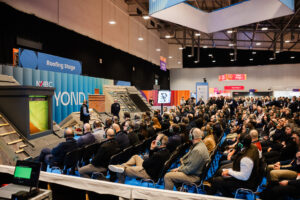
This Halloween, Michael Holmes, property expert at the Homebuilding & Renovating Show, reveals the renovation mistakes that could come back to haunt homeowners long after the decorations have come down.
- Investing in energy-saving technology before improving insulation
Investing in energy efficiency is seriously worthwhile, especially if you’re going to be living in your home for a long time. You’ll save money on bills, but you need to make sure the improvements are appropriate for the property you’re working with.
If, for example, you’ve got a 1950s house with little or no insulation, I wouldn’t start by installing a heat pump and putting solar panels on the roof.
What I’d do first is invest in the building envelope: the walls, roof, floors, windows and doors, to reduce the amount of heat escaping from the property. Then you can look at other technologies, including heat pumps and solar panels, and whether they’re suitable for your home. If there’s money left in the budget, battery storage can also be worth considering to help reduce running costs by storing unused solar generated power, or cheap electricity bought at off peak. You can even sell this back into the grid via suppliers such as Octopus.
As with all these things, it’s important to do the calculations. Look at what each improvement will cost, how much energy you’re likely to save and what the long-term financial benefit might be.
- Spending money on improvements before fixing the building
The first thing I’d do with any renovation is make sure I understand the condition of the property. If there are signs of structural movement, that’s something you need to investigate and put right. The same goes for damp, leaks, outdated building services like wiring and heating, or rotten floors and external doors and windows.
There’s little point spending money on new finishes or improving the layout if you’ve still got basic defects with the building itself. These are the essential repairs, and they should take priority over the things that might be more exciting to tackle.
Once you know the property is in good condition, you can start thinking about how to improve it.
- Extending without working out whether it’s worth the money
After dealing with the essential repairs, I’d look at how you can improve the space in the property. Adding space is often a good investment, but only if the value you’re adding justifies the cost of creating it. Before deciding to build an extension, I’d look at how much it’s likely to cost and what the finished property could be worth. You also need to think about whether the additional space will make the house work better for you.
An extension can be a very worthwhile improvement, but it’s important to make sure the numbers add up rather than assuming that a bigger house will automatically be worth considerably more.
- Overlooking the potential of the space you already have
You don’t necessarily have to build an extension to make a significant improvement to your home.
Sometimes changing the layout of the existing rooms can make a property feel much more spacious and better suited to the way you want to live. Open-plan design, for example, can be a good way of making better use of the space available, particularly where the existing layout feels divided or doesn’t work well.
I’d always consider what you can achieve with the space you’ve already got before deciding that you need to build more. It’s about making the property work better, rather than simply adding square metres.
- Forgetting the importance of natural light and the connection to outside
Once you’ve dealt with the condition of the property and thought about the layout, I’d look at how you can make the space more attractive and enjoyable to live in. One of the things that can make a difference is bringing more natural light into the home.
Large expanses of glazing can help create a better connection between inside and outside, particularly when combined with an open-plan layout. These are the kinds of improvements that can make a property more appealing to buyers as well as improving the way you use it.
Of course, you still need to consider the cost and whether the changes are appropriate for the property.
The important thing is to get the priorities right. Start with the condition of the building, then think about the space, and finally look at the improvements that will make the home more attractive, comfortable and efficient. That way, you’re much less likely to spend money on the wrong things or find yourself having to put problems right further down the line.
For more advice and one-on-one consultations with Michael Holmes, visit a Homebuilding & Renovating Show near you. Claim free tickets via https://www.homebuildingshow.co.uk/pr-general-outlets/.